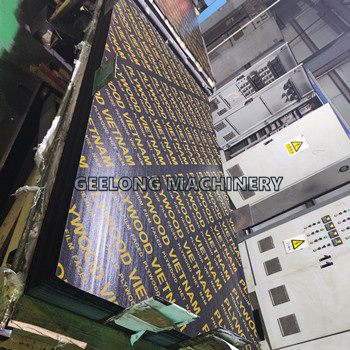
Phenolic film paper is a specially engineered overlay material widely used in the production of film faced plywood. It is made by impregnating high-quality base paper with Phenolic Resin and then drying it to form a durable, water-resistant film.
During the hot pressing process, the phenolic film bonds firmly to the plywood surface, creating a protective layer with excellent performance:
-High water and moisture resistance
-Strong abrasion and wear resistance
-Smooth or patterned surface finish (e.g., anti-slip textures)
-Good resistance to chemicals and weather conditions
1. How does laminated paper affect its physical properties?
(1) The laminated paper contains phenolic resin, which forms a dense thermosetting resin film after hot pressing.
This prevents moisture from penetrating to the veneer layer, reduces water absorption and swelling, and improves weather resistance.
Using Geelong laminated paper, the boards are less prone to bubbling and delamination after being soaked in water.
(2) Laminated paper essentially forms a "reinforcing layer," enhancing surface strength against pressure, scratches, and abrasion, thus increasing its reusability (especially in construction formwork).
Geelong high-grammage laminated paper (e.g., 120g/m² and above) is more wear-resistant.
Lower-quality paper from other brands will wear through quickly, exposing the wood core.
(3) After hot pressing, the phenolic resin cures, forming a "hard shell"-like structure.
This increases surface hardness, reduces indentations (such as those from reinforcing bars or stones), and improves overall durability.
This makes it less prone to damage from being stepped on or crushed during construction site use.
2. Common problems in the production process of phenolic film paper lamination
(1) Why does the board surface easily bubble?
(2) Why can't the texture be pressed out?
(3) How to reduce production costs?
Currently, the traditional solution in the industry is to use stainless steel pressure plates and expensive laminated paper, but the cost is getting higher and higher.
Geelong Group has launched a new stainless steel mesh made of American standard AISI 304 material. It is of high quality and the cost is significantly lower than that of stainless steel embossed plates.
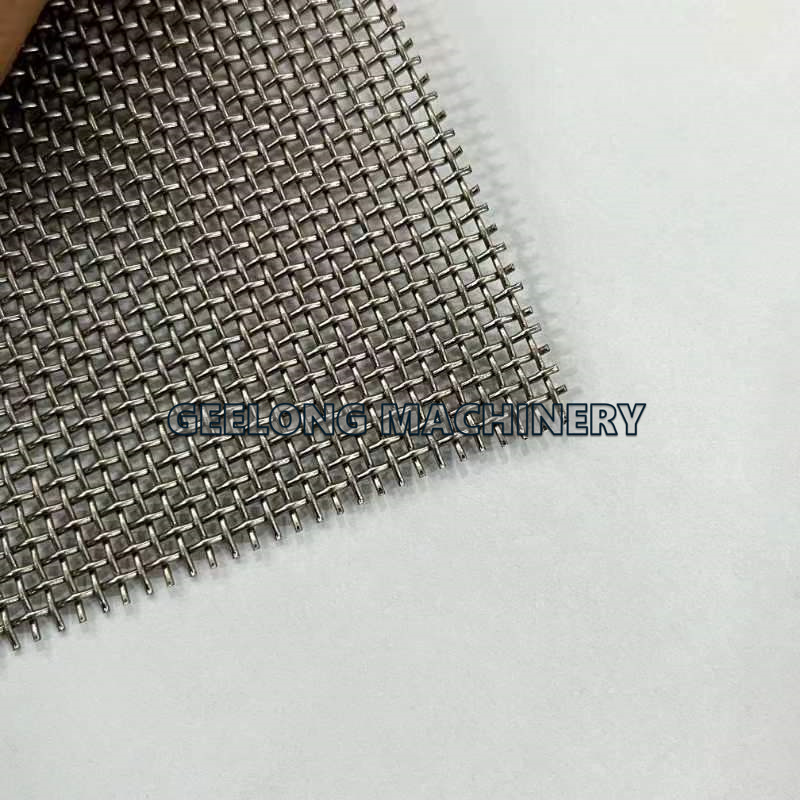 | 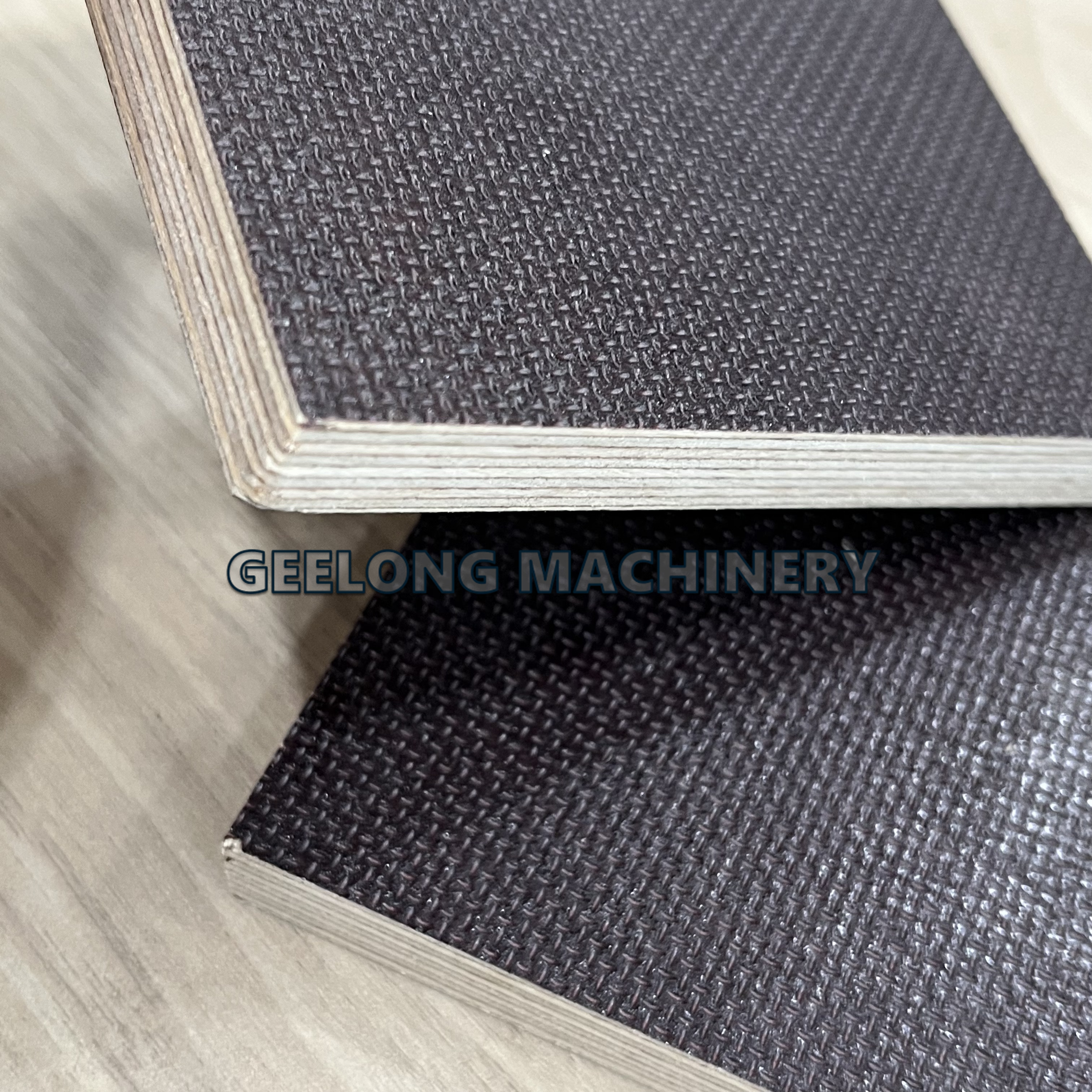 |
| Stainleless Steel Mesh | Anti-slip Phenolic Film Faced Plywood |


